

4-wheel-walker5249
4-wheel-walker5249
It’s The Complete List Of Rollator For Seniors Dos And Don’ts
Rollators for Seniors: Enhancing Mobility and Independence
As people age, maintaining mobility becomes a significantly crucial element of their total wellness. Among numerous mobility aids readily available, rollators stand apart as a particularly effective choice for seniors looking for greater independence and ease of motion. In this short article, we explore what rollators are, their benefits, functions, aspects to think about when purchasing one, and typical concerns associated with these mobility devices.
What is a Rollator?
A rollator is a type of walker, generally geared up with wheels, handgrips, and a seat, developed to help individuals with mobility challenges. Unlike basic walkers, which need lifting with each action, rollators provide stability while allowing the user to stroll more naturally. Rollators are versatile and can help seniors navigate both inside and outdoors, making them a necessary tool for improving mobility.
Secret Features of Rollators
Rollators come with various features created to accommodate various needs and choices, consisting of:
| Feature | Description |
|---|---|
| Wheels | Developed for smooth motion, normally been available in small or large sizes based upon terrain needs. |
| Handbrakes | Permit users to manage speed and stop safely. |
| Seat | A built-in seat offers a resting location when users require to take a break. |
| Storage | Many rollators included baskets or pouches for bring individual items. |
| Adjustable Height | Manages can be adapted to match the user’s height for comfort and correct posture. |
| Lightweight Frame | Numerous designs are made from aluminum or other lightweight materials for simple maneuverability. |
Benefits of Using a Rollator
Rollators provide numerous benefits for seniors, which can contribute to improved quality of life. Here are some of the main benefits:
- Increased Independence: Rollators permit seniors to participate in day-to-day activities more comfortably and with confidence.
- Safety: Equipped with brakes and a steady frame, rollators reduce the danger of falls, a particular issue for seniors.
- Convenience: The existence of a seat and storage alternatives makes trips more practical by enabling seniors to take breaks when needed and bring necessary items.
- Versatile Use: Suitable for numerous terrains, including pathways and indoor areas, rollators offer flexibility for users.
- Encourages Physical Activity: Using a rollator can motivate seniors to stay active, which is vital for maintaining health.
Factors to Consider When Choosing a Rollator
Choosing the best rollator involves thinking about several factors to ensure it meets the user’s particular requirements. Here are crucial components to consider:
- User’s Height and Weight: Ensure the rollator can accommodate the user’s height and weight for safety and convenience.
- Wheel Size: Larger wheels are better for outdoor use, while smaller wheels are suitable for flat indoor surfaces.
- Frame Material: Lightweight frames make steering much easier; however, guarantee they are also sturdy and durable.
- Seat Dimensions: The seat should be comfortable and properly sized for the user.
- Storage Space: Depending on the user’s lifestyle, think about how much storage space they might require for bring items.
Popular Types of Rollators
There are various types of rollators developed for various purposes. Below is a list of some popular types:
- Standard Rollators— Ideal for indoor and outdoor use, offering standard features appropriate for a lot of users.
- Durable Rollators— Built to accommodate larger people, offering increased stability and weight capacity.
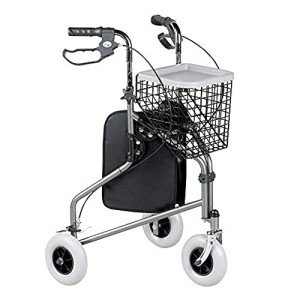
- Three-Wheel Rollators— An exceptional option for those in need of a lightweight, portable service that is easy to maneuver.
- Folding Rollator Rollators— Perfect for those who need a compact option for travel or storage.
- Rollator Walkers with Seats— These featured larger or more comfy seating locations, helpful for those needing extended durations of rest.
Regularly Asked Questions (FAQs)
1. Are rollators appropriate for all seniors?
While rollators are useful for many seniors, each person’s mobility needs are various. It’s vital to consult with a healthcare provider or physical therapist to figure out the most suitable mobility aid.
2. Can rollators be utilized outdoors?
Yes, numerous rollators are created for outdoor use and include larger wheels suitable for various terrains. It is essential to think about the user’s mobility level and the surface when selecting a rollator.
3. How do I maintain a rollator?
Routine maintenance involves inspecting brakes, guaranteeing wheels are clean and practical, and changing any damaged parts to make sure safety and durability.
4. Can rollators be customized for private requirements?
Yes, many manufacturers provide customized choices for particular functions, such as manage height, seat size, or additional accessories like baskets or trays.
5. Where can I purchase a rollator?
Rollators can be acquired through medical supply shops, drug stores, online retailers, or from specialized mobility devices suppliers.
Rollators are valuable mobility aids that can significantly improve the quality of life for seniors, fostering self-reliance and safety while encouraging regular exercise. With a range of functions and styles offered, choosing the ideal rollator includes thinking about aspects such as user requirements and preferences. Whether for indoor or outdoor use, rollators offer practical solutions to mobility challenges, permitting seniors to browse their environments with self-confidence and ease.