manual-treadmill-cheap5526
manual-treadmill-cheap5526
Non Motorised Treadmill Tools To Improve Your Daily Life Non Motorised Treadmill Trick That Should Be Used By Everyone Be Able To
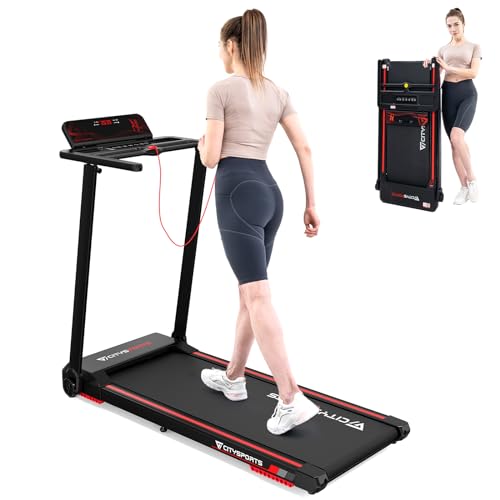
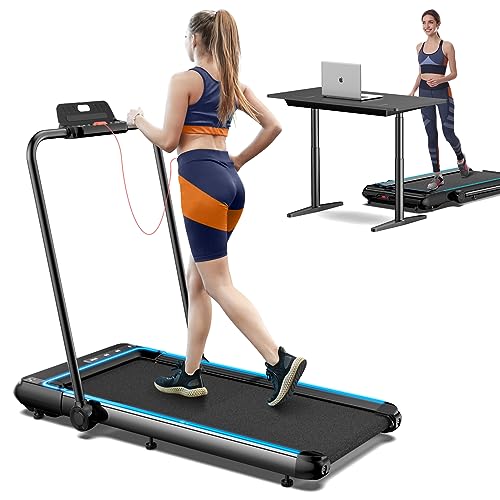
Exploring Non-Motorised Treadmills: A Comprehensive Guide
In recent years, the fitness landscape has seen a rise in the appeal of non-motorised treadmills. Unlike standard motorised treadmills that rely on electricity and complex equipment, non-motorised models provide a distinct blend of performance and simpleness, accommodating varied workout needs. This article explores the advantages, functions, and factors to consider of non-motorised treadmills, assisting readers make informed choices whether they’re fitness enthusiasts or casual exercisers.
What is a Non-Motorised Treadmill?
A non-motorised treadmill is a self-propelled exercise machine that enables users to stroll, jog, or run without depending on an electric motor. Rather, the user produces the movement, which engages more muscle groups and promotes a more natural running type. These treadmills are available in different styles and are frequently lighter and more portable than their motorised counterparts.
Benefits of Non-Motorised Treadmills
1. Effectiveness in Workouts
Engaging more muscle groups than traditional treadmills, users can achieve reliable exercises in a shorter period. The self-propelling feature means that the speed is determined by the user, enabling much better control of strength.
2. Economical
Normally cheaper than motorised treadmills, non-motorised versions have fewer parts that can break down, causing lower maintenance expenses.
3. Space-Saving Design
Many non-motorised treadmills are compact and can easily fit into smaller areas, making them a perfect option for home health clubs.
4. Versatility
These treadmills can be utilized for numerous workouts, consisting of walking, running, and even higher-intensity interval training (HIIT). The adjustable nature of the speed implies users can easily switch in between different types of training.
5. Security
Without electrical elements, non-motorised treadmills present a lower risk of electrical threats, and their simpleness often causes a lower danger of mechanical failures.
Features to Look for in a Non-Motorised Treadmill
When shopping for a non-motorised treadmill, here are several key features to think about:
| Feature | Description |
|---|---|
| Belt Size | A wider and longer belt permits for a more comfortable running experience. |
| Weight Capacity | Make sure the treadmill can accommodate the user’s weight securely. |
| Slope Options | Adjustable incline settings can enhance workout strength. |
| Portability | Search for collapsible designs or integrated wheels for simple storage and motion. |
| Show Console | Basic metrics like speed, distance, and calories burned can encourage users. |
Popular Non-Motorised Treadmills
To offer a clearer photo, here’s a comparative table of some popular non-Motorised Treadmill (more info here) designs available in the market:
| Model | Belt Size | Weight Capacity | Incline Options | Price Range |
|---|---|---|---|---|
| Attack AirRunner | 17″ x 62″ | 350 lbs | Yes | ₤ 2,999 |
| TrueForm Runner | 16″ x 60″ | 400 pounds | Yes | ₤ 3,299 |
| NordicTrack Commercial X32i | 22″ x 60″ | 300 pounds | Yes | ₤ 2,999 |
| Sunny Health & & Fitness SFT-7730 | 16″ x 43″ | 220 lbs | No | ₤ 299 |
How to Use a Non-Motorised Treadmill
Utilizing a non-motorised treadmill successfully needs some modifications in strategy compared to conventional designs:
- Start Slow: Begin at a moderate speed to get used to the self-propelling nature.
- Posture: Maintain an upright posture with shoulders back and considers forward to avoid injury.
- Foot Placement: Ensure feet land flat on the belt to maintain balance and effectiveness.
- Control Pace: Increase speed as you become more comfortable. Remember, the faster you move, the faster the belt will turn.
- Incorporate Hills: Use slope alternatives to add range and obstacle to your exercises.
Upkeep Tips
To ensure durability and optimum performance of a non-motorised treadmill, consider these maintenance suggestions:
- Regular Cleaning: Dust and debris can impact performance; clean the treadmill regularly.
- Lubrication: Some models might require lubrication to keep the belt moving smoothly.
- Look for Wear: Regularly examine the belt for signs of wear and replace if essential.
FAQ
Q1: Are non-motorised treadmills suitable for beginners?A1: Yes, non-motorised treadmills are great for newbies as they allow users to control their pace and strength, which is important when starting a brand-new workout routine. Q2: Can non-motorised treadmills be utilized for running?A2: Absolutely!
These treadmills are developed for running,
using a realistic experience that imitates outside running. Q3: How do I figure out the best size for my non-motorised treadmill?A3: Consider your
available area and individual height. A longer belt is typically much better for tall
individuals or those who prepare to run. Q4: Is there a weight limit for non-motorised treadmills?A4: Yes, each model has a defined weight capability.
Constantly check manufacturer requirements to guarantee security. Q5:
Do non-motorised treadmills provide cardiovascular benefits?A5: Yes, these treadmills provide an excellent cardiovascular workout, helping enhance heart health and endurance. Non-motorised treadmills represent a versatile and efficient option for people looking for to boost their fitness routines. With a range of functions tailored to different user requirements, these devices deal with all levels of fitness lovers. By comprehending the advantages and thinking about vital functions, possible buyers can make informed choices that line up with their fitness goals. Whether for walking, running, or high-intensity training, non-motorised treadmills can elevate workout experiences while ensuring a safe and satisfying environment.