

folding-wheelchair-ramps9138
folding-wheelchair-ramps9138
What’s The Point Of Nobody Caring About Wheel Chair Ramp
Understanding Wheelchair Ramps: A Comprehensive Guide
In today’s world, ease of access is not just a legal requirement however a basic aspect of dealing with self-respect and self-reliance. Amongst the crucial parts assisting in access for those with mobility challenges is the wheelchair ramp. This necessary structure can be discovered in various places, consisting of homes, public buildings, and parks. This blog post will take a deep dive into the kinds of wheelchair ramps, their advantages, installation factors to consider, and upkeep.
What is a Wheelchair Ramp?
A wheelchair ramp is a sloped surface area or structure that permits people who use wheelchairs, scooters, or other mobility devices to navigate physical barriers such as steps, curbs, and even irregular surface. The primary goal of a wheelchair ramp is to provide a seamless shift from one level to another, ultimately promoting independence for individuals with mobility obstacles.
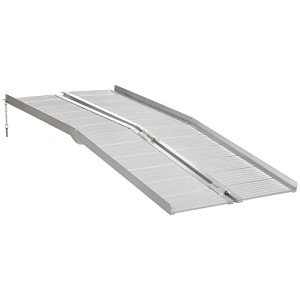
Kinds Of Wheelchair Ramps
Wheelchair ramps come in different styles, each developed for specific requirements and environments. The following table sums up frequently utilized types of ramps:
| Type of Ramp | Description | Finest Use Cases |
|---|---|---|
| Long-term Ramps | Constructed into the structure using wood, concrete, or metal | Homes, business structures, public centers |
| Portable Ramps | Lightweight and foldable, frequently made from aluminum | Temporary needs, travel, and events |
| Limit Ramps | Little ramps developed for entrances and transitions | Homes, little steps, and doors |
| Modular Ramps | Pre-fabricated areas that can be assembled and personalized | Long-term ease of access options |
| Wheelchair Lifts | Vertical platform lifts set up in little areas | Tight spaces, multi-story buildings |
Benefits of Wheelchair Ramps
Buying wheelchair ramps offers various advantages, not only for the user but also for society as a whole. Think about the following benefits:
-
Independence: Ramps empower people with mobility difficulties to access their environments freely without depending on others for assistance.
-
Security: Properly developed ramps minimize the danger of mishaps and injuries that might accompany stairs and irregular surface areas.
-
Increased Accessibility: Wheelchair ramps make places like companies, parks, and homes more available to everyone, consisting of individuals with temporary disabilities, parents with strollers, and senior people.
-
Enhanced Quality of Life: Accessible areas contribute to social inclusion, improving the general quality of life for people with mobility problems.
-
Compliance with Laws and Regulations: Installing ramps guarantees compliance with the Americans with Disabilities Act (ADA) and other regional ease of access laws.
Setup Considerations
Constructing a wheelchair ramp requires careful planning and execution. Below is a list of critical factors to consider:
-
Slope Ratio: The suggested slope for wheelchair ramps is 1:12 (for every single inch of vertical rise, there should be at least 12 inches of ramp length). A steeper slope can be dangerous for users.
-
Materials: Choose appropriate products based on the kind of ramp you need. Options include dealt with wood, aluminum, and concrete, each having its advantages and disadvantages.
-
Width: A ramp ought to be at least 36 inches wide to accommodate a common wheelchair easily.
-
Landing Areas: Level landings are required at the top and bottom of the ramp, enabling users to steer securely.
-
Surface area Texture: The ramp’s surface area need to supply adequate grip, particularly in rainy or snowy weather.
-
Regional Codes and Permits: Check regional policies concerning ramp setups, as permits might be required.
Maintenance of Wheelchair Ramps
To make sure a wheelchair ramp stays safe and practical, routine upkeep is necessary. Consider the following ideas for maintenance:
-
Check for Wear and Tear: Periodically check the ramp for indications of damage, such as fractures, broken boards, or rust.
-
Keep Clean: Remove debris, snow, and ice to preserve a safe surface.
-
Repair Promptly: Fix any damage immediately to avoid accidents.
-
Reinforce if Needed: As the ramp ages, think about reinforcing locations that may require extra assistance.
Often Asked Questions (FAQs)
1. Do I need a permit to install a wheelchair ramp?
While norms can vary based upon your place, it’s constantly finest practice to inspect local structure codes and acquire an authorization if required.
2. What is the optimum slope for a wheelchair ramp?
The ADA recommends a maximum slope of 1:12 for wheelchair ramps. For shorter ramps (less than 30 inches increase), a slope of 1:10 is acceptable.
3. How wide should a wheelchair ramp be?
A basic wheelchair ramp ought to be at least 36 inches broad.
4. Are portable ramps safe?
Yes, as long as they are constructed appropriately and utilized according to the maker’s guidelines. Always guarantee they are steady before use.
5. What products are best for wheelchair ramps?
Typical materials consist of dealt with wood, aluminum, and concrete. The choice depends upon the ramp’s planned use and mymobilityscooters budget plan.
6. Can wheelchair ramps be set up inside your home?
Yes, wheelchair ramps can be set up indoors, specifically in multi-story structures or homes with steps.
Wheelchair ramps play an important function in assisting in access and promoting independence for individuals with mobility obstacles. Their benefits extend beyond the specific to enhance neighborhood inclusiveness and safety. Comprehending the different kinds of ramps, installation factors to consider, and the importance of maintenance can empower individuals and caretakers to make informed choices. Whether you are thinking about installing a ramp at your home, workplace, or any communal space, investing in accessibility is a step toward a more inclusive society.