

french-door-repair-and-maintenance0743
french-door-repair-and-maintenance0743
Five Killer Quora Answers On French Door Locks
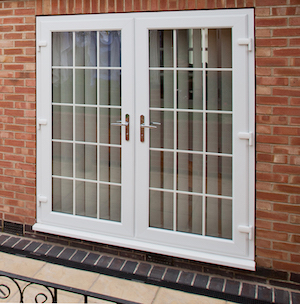
Understanding French Door Locks: A Comprehensive Guide
French doors, understood for their elegant style and ability to bring natural light into a home, require proper locking systems to ensure security and functionality. Choosing the ideal lock for French doors is crucial, as these doors can be more vulnerable due to their glass panes. This post supplies a detailed summary of the various kinds of locks available for French doors, their features, installation procedures, and common questions surrounding them.
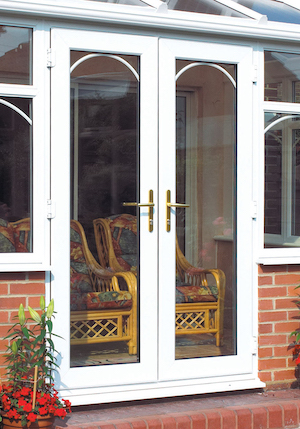
Types of French Door Locks
French doors can be equipped with numerous types of locking mechanisms. Below are some of the most common alternatives:
| Lock Type | Description | Security Level |
|---|---|---|
| Deadbolt Locks | Supply high security; can be single or double cylinder. | High |
| Latch and Key Locks | Hassle-free locks often set up in the door manage; require an essential to operate. | Moderate to High |
| Smart Door Locks | Bluetooth or Wi-Fi-enabled; can be controlled through mobile phone apps. | High |
| Mortise Locks | Installed within the door itself, offering robust security and sturdiness. | Very High |
| Sliding Bolt Locks | Easy additional locks that protect the door at the top and bottom. | Moderate |
| Rim Cylinders | Set up on the surface area of the door; easy to replace and set up. | Moderate |
1. Deadbolt Locks
Deadbolts are an exceptional option for French doors, offering enhanced protection versus forced entry. They come in single and double-cylinder ranges. The single-cylinder version features a keyhole on the exterior side and a thumb turn on the interior side, while the double-cylinder variation requires a secret on both ends. While deadbolts are robust, they might not be the very best choice for homes with kids or elderly residents due to the need for a secret to exit.
2. Lock and Key Locks
These locks are typically built into the door handles of French doors. They provide a good level of security but might not suffice by themselves. Lock and crucial locks are easy to use, making them a popular choice for property owners looking for benefit without sacrificing security totally.
3. Smart Door Locks
Smart locks offer innovative innovation that permits users to manage their locks from another location via smart devices or clever home systems. Functions might include keyless entry, security informs, and combination with home automation setups. With high-security systems, clever locks are becoming progressively popular amongst tech-savvy house owners.
4. Mortise Locks
Mortise locks are understood for their strength and durability. These locks are set up within a mortise pocket cut into the door and can accommodate several locking points for included security. They are especially appropriate for sturdy French doors.
5. Sliding Bolt Locks
Sliding bolt locks are an easy-to-install option that includes a layer of security to French doors. They work by sliding a bolt into a catch or housing, protecting the door along the top and bottom. While they are simple, they serve best as an extra security procedure rather than a standalone option.
6. Rim Cylinders
Rim cylinders can be connected to the exterior of the door and are often utilized in conjunction with another locking system, like a deadbolt. They enable fast access and can be quickly replaced.
Installation Process
The installation of locks on French doors can differ depending on the kind of lock selected. Here’s a standard summary of the installation process:
Steps to Install a Deadbolt Lock:
- Gather Tools: You’ll need a drill, screwdriver, measuring tape, sculpt, and the lock set.
- Measure and Mark: Identify the proper height for your deadbolt and mark where you’ll cut the hole.
- Drill Holes: Use a hole saw to drill the required holes for the lock cylinder.
- Chisel for Mortise: If installing a mortise lock, utilize a chisel to create a pocket for the lock.
- Install Lock: Follow the producer’s instructions to install the lock system.
- Test: Ensure the lock works smoothly and firmly.
Basic Installation Tips:
- Always read the producer’s handbook for particular instructions.
- Make sure that locks are placed at the appropriate height for availability.
- Professional installation is suggested for clever locks due to their intricacy.
Frequently Asked Questions (FAQs)
1. How safe and secure are French door locks?
French Door Locks; visit the up coming document, can be extremely protected, specifically when top quality locks like deadbolts or mortise locks are utilized. Adding several locking systems can likewise boost security.
2. Can I install a wise lock on my French doors?
Yes, clever locks can be set up on French doors; however, ensure the door fulfills the installation requirements specified by the smart lock producer.
3. What are the best locking options for windy locations?
In windy areas, locks that feature sliding bolts or additional security features would be advantageous, as they avoid doors from being blown open.
4. How frequently should I change the locks on my French doors?
It is suggested to change door locks every 5-10 years, or faster if you notice any indications of wear or if they have been jeopardized.
5. Are all locks for French doors the very same size?
No, locks are available in different sizes and configurations. It is necessary to determine the door correctly and pick locks that fit firmly.
Choosing the right locking mechanism for French doors is crucial for both security and visual appeals. With a number of choices offered, property owners can choose locks that finest satisfy their requirements based upon aspects such as security level, ease of usage, and technology functions. By implementing robust locks and following proper installation procedures, one can considerably improve the security and performance of French doors, ensuring comfort in your home. Whether choosing standard deadbolts or modern-day smart locks, informed choices lead to a more secure living environment.