

upvc-soffit6571
upvc-soffit6571
20 Trailblazers Setting The Standard In Soffits
Understanding Fascias and Soffits: Key Components of Your Home’s Exterior
When it concerns maintaining the structural integrity and visual appeal of a home, numerous property owners overlook the significance of fascias and soffits. These elements are critical in protecting a home from the components while also improving its visual appeal. In this short article, we will look into the meanings, functions, materials, maintenance pointers, and FAQs surrounding fascias and soffits to provide a comprehensive understanding of their significance in residential architecture.
What Are Fascias and Soffits?
Fascias
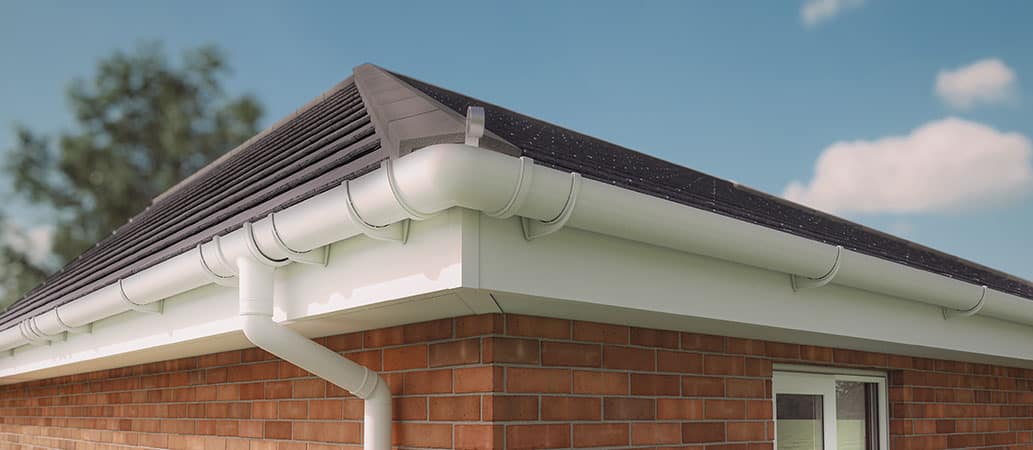
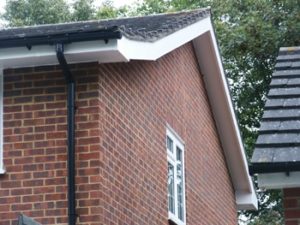
Fascias are the long, horizontal boards that line the edge of a roofing system. They are located at the junction where the roofing meets the outside walls of a house, typically serving two primary functions: acting as a visual trim at the roofline and offering an installing point for the gutter system.
Soffits
Soffits, on the other hand, are the boards that link the outside wall to the fascia, offering an ended up surface area under the roof overhang. They are important for ventilating the attic space, guaranteeing appropriate air circulation, and avoiding moisture accumulation, which might cause mold development and structural damage.
Functions of Fascias and Soffits
Fascias and soffits play essential functions in home protection and maintenance, including:
-
Protection From Weather Elements: They assist protect the underlying structures from wind, rain, and snow, avoiding water damage and external destruction.
-
Visual Appeal: These aspects contribute to the overall appearance of a home, framing the architectural style, particularly in the roofing location.
-
Gutter Support: Fascias provide a stable surface for setting up seamless gutters, ensuring appropriate water drain from the roof.
-
Ventilation: Soffits allow for air flow in the attic space, which is important for controling temperature and wetness levels.
-
Insect Deterrence: When appropriately installed, both fascias and soffits can assist keep bugs like birds and rodents at bay.
Products Used for Fascias and Soffits
Fascias and soffits are available in numerous materials, each with its advantages and downsides. The most common products consist of:
| Material | Advantages | Drawbacks |
|---|---|---|
| Wood | Conventional aesthetic, simple to paint | Needs regular maintenance, prone to rot |
| Vinyl | Low maintenance, weather-resistant | Restricted color alternatives, can fade in time |
| Aluminum | Long lasting, lightweight, rust-proof | Can dent quickly, requires appropriate installation |
| Fiber Cement | Resistant to insects and rot | Much heavier than other products, higher cost |
| PVC | Durable, maintenance-free | Plastic appearance, can be less sustainable |
Understanding These Materials
- Wood: Often chosen for its traditional look, wood requires sealing and routine painting or staining to maintain its lifespan.
- Vinyl: A popular choice due to its low maintenance; it does not require painting and is readily available in numerous colors.
- Aluminum: Known for its toughness and ability to endure extreme weather condition, aluminum fascias and soffits can offer a smooth, modern-day look.
- Fiber Cement: Made from a composite of cement and cellulose fibers, this product is extremely resistant to components and insects.
- PVC: An extremely durable option, PVC products do not rot and are resistant to pests however may lack the visual appeal of wood or fiber cement.
Maintenance Tips for Fascias and Soffits
Routine maintenance of fascias and soffits is vital to extend their life-span and maintain the overall integrity of a home. Here are some handy tips:
- Regular Inspections: Periodically look for indications of damage, such as rot, holes, or denting.
- Tidy Gutters: Keep seamless gutters clear of particles to prevent overflow that can damage the fascias.
- Moisture Management: Ensure that the ventilation in the attic is appropriate to prevent moisture accumulation.
- Painting and Sealing: For wooden fascias, make it a habit to repaint or reseal every couple of years to secure versus the components.
- Pest Control: Inspect for signs of pest intrusion, as small openings in fascias and soffits can enable entry.
Frequently asked questions About Fascias and Soffits
1. How typically should fascias and soffits be checked?
Normally, homeowners ought to check their fascias and soffits a minimum of once a year, specifically after serious weather.
2. Can I paint or stain synthetic products like PVC or vinyl?
While PVC and vinyl do not require painting, you can utilize special paint developed for these materials for modification, though it’s not needed for maintenance.
3. What are the indications that my fascias and soffits need changing?
Indications consist of noticeable rot, looseness, peeling paint, or visible sagging. If water damage is noticeable on the interior of the home, replacement might be required.
4. Why is ventilation important in soffits?
Appropriate ventilation in soffits assists to manage attic temperature level, decreases wetness accumulation, and prevents condensation that can result in major structural problems.
5. Are there any DIY choices for installing fascias and soffits?
While DIY installation is possible for knowledgeable handypersons, professional installation is advised to ensure correct fit and function, particularly regarding gutter accessories.
Fascias and soffits may typically go unnoticed until noticeable concerns emerge, but understanding their function and value is important for any homeowner. By routinely maintaining these components, choosing quality materials, and attending to issues early, house owners can significantly enhance both the visual appeal and the longevity of their homes. Putting in the time to understand fascias and soffits is an investment in the future stability and appeal of a residential or commercial property.